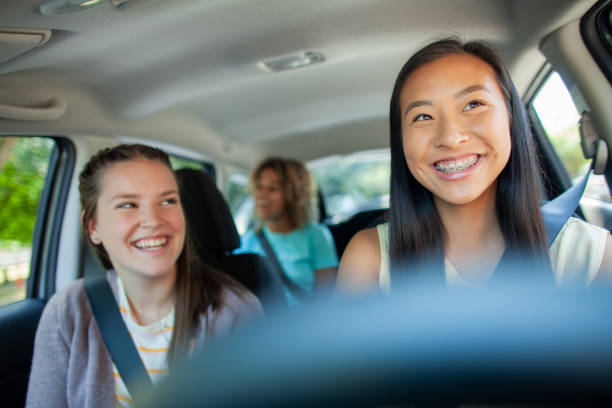
cars you don’t own, freedom you do
so like, car sharing is kinda exploding in cities and honestly, it’s wild how much it’s changing urban life. remember when owning a car was basically a life goal? yeah, not anymore — people are realizing you don’t need a car sitting in traffic and collecting dust for 23 hours a day. now it’s all about apps, subscriptions, zip cars, peer-to-peer rentals — basically renting a car when you actually need it instead of paying for it when you don’t. personally, i used a car-sharing app once to grab groceries on a rainy day and it felt like magic — convenience on demand. social media reels of “my day using car sharing” are everywhere — cute, chaotic, inspiring.
why people love it
ok so there’s money, convenience, and freedom. urban parking = nightmare, maintenance = expensive, insurance = headache. car sharing solves that. personal anecdote: i used to stress finding parking for my old car downtown; switched to car sharing and now i basically teleport — ok not literally, but feels like it. social media amplifies this with reels like “how i save $500/month using car sharing” — slightly exaggerated, slightly real.
environmental perks
smart urban planners hype car sharing as eco-friendly. fewer cars sitting idle, more rides per car, less congestion, less pollution. personally, i feel slightly virtuous when i grab a shared car instead of driving my old gas guzzler. tiktok and instagram love memes about “shared cars saving the planet” — over-the-top but makes a point. small actions, big ripple.
technology behind the scenes
apps, GPS tracking, AI routing, smart locks, peer-to-peer reviews — basically tech doing all the heavy lifting. i once used a car sharing app where the AI suggested the closest car and even reminded me to refuel — slightly creepy but effective. social media reels sometimes show “how car sharing works behind the scenes” with animations — educational but kinda flashy.
impact on urban life
ok, not gonna lie, city streets are changing. fewer cars, less traffic, easier parking, people more willing to walk, bike, or take public transport because a shared car is always there when needed. personal anecdote: i live downtown and noticed more space on streets thanks to car sharing — felt like tiny urban miracle. memes about “downtown without parked cars” exist — slightly dramatic, slightly true.
challenges tho
not perfect tho. sometimes cars aren’t available, apps glitch, people misuse vehicles, maintenance issues happen. personal anecdote: once i booked a shared car and it had no gas — chaos. social media rarely shows these frustrations; reels focus on convenience and aesthetics. also, legal regulations differ — some cities are slow to adapt, some insurance policies are confusing. reality = messy but manageable.
future trends
future looks like hybrid mobility — shared cars + e-scooters + bikes + public transport apps all integrated. maybe even subscription services for city mobility — pay monthly, move however you want. personal anecdote: i saw a demo where one app planned your full day with shared cars and transit combined — slightly futuristic, slightly overwhelming. social media hype will keep growing — reels of “city life without owning a car” inspire millions.
social and cultural shifts
people’s relationship with ownership is changing. millennials and gen z prefer access over owning. personally, i feel lighter not having a car taking up space — more freedom, less responsibility. social media posts about “minimalist city living” or “how i live car-free” fuel the trend — aspirational but kinda real.
economic impacts
car sharing changes markets. rental companies evolve, insurance adapts, traditional car sales may dip slightly in urban areas. personal anecdote: a friend sold her car because she now relies entirely on shared vehicles — saved money, slightly regretted it once in a rainstorm, but overall win. social media stories celebrate these “freedom without ownership” moves — slightly dramatic, mostly inspirational.
why it actually matters
so yeah, car sharing in major cities is growing because it’s convenient, cost-effective, eco-friendly, flexible, and fits modern urban lifestyles. personal experience shows it’s chaotic, fun, occasionally stressful, but mostly liberating. social media amplifies the trend, inspires adoption, and sometimes overhypes — reality = fewer parking headaches, lower costs, less idle traffic, and more freedom. basically, urban life + technology + shared mobility = future of city commuting.