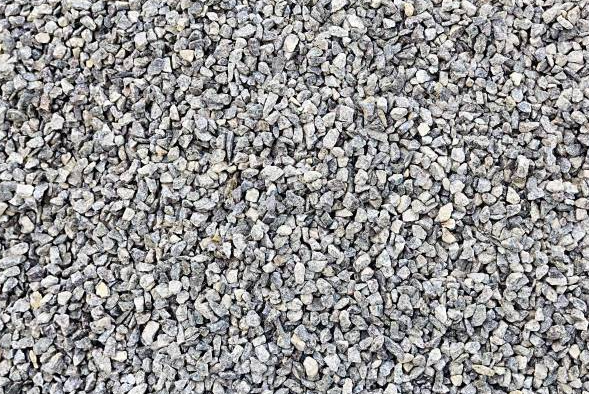
Gravel names can sound interchangeable until a project depends on the way each material drains, compacts, or carries weight. Crusher run, #57 stone, and #78 stone all serve useful purposes, but their particle sizes and makeup create very different results once installed. Understanding those differences helps homeowners and contractors order material that fits the job instead of correcting a poor choice later.
What Makes Crusher Run Different From Clean Stone?
Crusher run contains crushed stone mixed with smaller particles and stone dust. That blend allows the material to settle into a dense layer because fine pieces fill the spaces between larger fragments. Compaction turns it into a firm base that works well beneath driveways, parking areas, walkways, and construction access routes where stability matters more than open drainage.
Why #57 Stone Works Well for Drainage and Structural Support
#57 stone generally consists of clean, angular pieces large enough to leave noticeable gaps between them. Water can move through those spaces more freely than it can through crusher run, making this aggregate common around French drains, foundation drainage systems, culverts, and other places where moisture needs an outlet.
Angular surfaces also provide useful load support without packing as tightly as a material filled with dust. Contractors may place #57 beneath concrete slabs, around drainage pipe, or in areas that need both strength and water movement. Property owners searching for gravel delivery near me should explain whether the project needs compaction, drainage, or both before selecting between #57 and a denser base product.
Where Does Smaller #78 Stone Make More Sense?
#78 stone is smaller than #57 and creates a finer-looking surface. Its size makes it easier to spread in shallow areas, narrow spaces, walkways, landscape borders, and locations where larger rock would feel bulky or difficult to work with.
Driveway Construction Often Needs More Than One Gravel Type
Strong gravel driveways usually rely on layers instead of one stone size from bottom to top. Crusher run can form a compacted foundation because the mixture of coarse and fine particles creates a stable platform over prepared soil.
A cleaner aggregate such as #57 may be used where drainage around the driveway is important, while smaller stone can improve the appearance or feel of selected surface areas. Buyers comparing gravel for sale should consider the full driveway structure rather than choosing a material only because it looks suitable on top. Base depth, traffic weight, soil strength, and runoff all influence which product belongs in each layer.
Drainage Projects Need Open Space Between the Stones
French drains and similar systems depend on voids within the aggregate. Water must be able to enter the stone bed, reach the perforated pipe, and continue toward the outlet without passing through a tightly packed layer of fines.
Clean #57 stone often suits that purpose because its particle size leaves useful drainage channels around the pipe. Smaller #78 can work in certain drainage applications, especially where space is limited, but designers still need enough open area for the expected water volume. Customers arranging gravel delivery in Huntsville AL should avoid using crusher run directly around perforated drainage pipe because its fines can reduce flow.
Surface Finish Changes With Stone Size
Larger #57 stone creates a rougher texture underfoot and may feel less comfortable on paths or decorative areas. Its size works better where function, drainage, and structural performance matter more than a refined surface.
Smaller #78 stone produces a tighter appearance and can be easier to rake evenly around landscape features. That finer scale makes it useful near garden beds, utility areas, and certain walking surfaces. Crusher run looks less decorative because its stone dust and mixed sizing are designed for compaction rather than visual consistency.
Match the Material to the Job Before Ordering
Project conditions should decide whether crusher run, #57, or #78 stone makes the most sense. Crusher run fits compacted bases, #57 handles many drainage and support applications, and #78 works well where a smaller clean stone offers easier placement or a finer finished appearance.
For projects that need reliable aggregate materials, North Alabama Rock & Dirt offers gravel, crushed stone, fill dirt, topsoil, and more throughout the Huntsville area. Its delivery service supports a wide range of jobs, including driveways, drainage, grading, landscaping, and construction, with materials available for structural bases, drainage applications, and surface finishing.