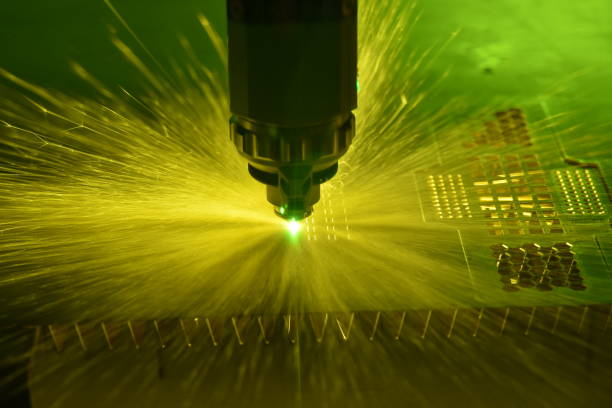
Digital models may look complete on a computer screen, but turning those designs into physical parts takes far more than pressing a start button. Dimensions, material behavior, tooling limits, and machine movement all influence whether a part succeeds once production begins. CNC machining connects engineering concepts to real-world manufacturing by converting precise digital data into repeatable physical results.
CAD Drawings Become Functional Parts Through Careful Toolpaths
A CAD drawing shows dimensions, shapes, and part geometry, but the machine still needs instructions on how to cut the material correctly. Toolpaths determine where the cutter moves, how deep it cuts, and how material gets removed during each stage of production. Poor toolpaths can damage surfaces, increase vibration, or create dimensional problems that the CAD file itself never showed.
Experienced programmers build cutting strategies that match the shape and complexity of the part. A CNC machine company often adjusts speeds, cutting angles, and tool engagement based on the design rather than relying on generic machining patterns. These decisions help digital concepts become usable components that perform correctly outside the computer model.
Material Selection Shapes How Digital Designs Perform in Production
Different materials react differently under cutting pressure, heat, and tool contact. Aluminum machines differently than hardened steel, while plastics and composites introduce their own production challenges. A design that works perfectly in software may still fail if the material cannot support the intended tolerances or structural demands.
Manufacturing teams often review material choice before machining begins to prevent production issues later. Certain alloys may improve strength but increase machining time, while softer materials may allow faster cutting but reduce wear resistance. Businesses comparing CNC companies near me often benefit from shops that understand how material behavior affects both production efficiency and finished part performance.
CNC Programming Turns Detailed Models Into Repeatable Part Runs
Programming acts as the bridge between engineering and machining equipment. Every spindle movement, tool change, feed rate, and cutting sequence must be translated into machine-readable code before production starts. Even highly detailed CAD files still depend on careful CNC programming to become accurate physical parts.
Repeatable programming matters especially during larger production runs. A stable machining program allows manufacturers to reproduce the same part dimensions consistently over hundreds or thousands of cycles. Reliable CNC machining depends heavily on programming accuracy because even small code errors can affect fit, finish, or structural integrity.
Prototype Refinement Helps Catch Fitment Problems Before Production
Prototype machining allows engineers to test designs physically before committing to full-scale manufacturing. A part may appear correct digitally while still revealing clearance issues, assembly interference, or unexpected weaknesses once produced. Physical testing often uncovers problems software alone cannot fully predict.
Machined prototypes also help improve production efficiency before larger runs begin. Engineers may simplify features, adjust tolerances, or modify geometry after reviewing the first completed sample. A CNC machine company experienced in prototype work can often identify production concerns early, reducing expensive revisions later in the manufacturing cycle.
Precision Cutting Brings Tight Tolerance Concepts Into Physical Form
Modern industries often require extremely tight tolerances for parts to function correctly. Aerospace, automotive, medical, and industrial systems rely on components fitting together with minimal variation. CNC machining supports this level of accuracy through digitally controlled movement and carefully calibrated equipment.
Tool condition, spindle stability, machine alignment, and thermal control all influence final tolerance accuracy. Skilled machinists monitor these factors closely throughout production. Companies searching for CNC companies near me frequently prioritize tolerance capability because precise dimensions directly affect product reliability and assembly performance.
Fixture Design Keeps Complex Parts Stable During Machining Cycles
Workholding systems play a larger role in machining than many people realize. Parts must remain stable under cutting pressure without shifting, vibrating, or distorting during production. Weak fixture setups can ruin dimensional accuracy even if the machine program itself is correct.
Custom fixtures are often designed specifically around complex geometries or thin-wall components. Proper support allows the machine to cut accurately while protecting the part from movement-related errors. Strong fixture design also improves repeatability by positioning each workpiece consistently throughout production runs.
Quality Checks Help Match Finished Parts to Original CAD Data
Inspection systems verify whether finished components match the dimensions shown in the original CAD model. Measuring tools, coordinate measuring machines, and digital inspection equipment help confirm tolerances before parts move to assembly or shipment. Without this verification process, production errors may go unnoticed until final product testing.
Inspection results also help machinists identify trends during long production runs. Tool wear, thermal expansion, or setup shifts can gradually affect dimensions over time. Careful quality control allows CNC machining teams to catch those changes early and maintain more stable production accuracy.
Surface Finishing Gives Machined Components Their Final Performance Edge
Machining creates the core shape of the part, but surface finishing often determines how the component performs in real conditions. Coatings, polishing, bead blasting, anodizing, and heat treatments can improve wear resistance, corrosion protection, appearance, or friction control depending on the application.
Different industries require different finishing standards based on environmental exposure and mechanical demands. Aerospace parts may require specialized coatings, while medical devices often depend on smoother finishes for cleanliness and precision. Amtec Solutions Group works with manufacturers that need CNC machining support capable of turning detailed CAD files into accurate, production-ready parts while maintaining the precision, consistency, and machining quality required for demanding industrial applications.