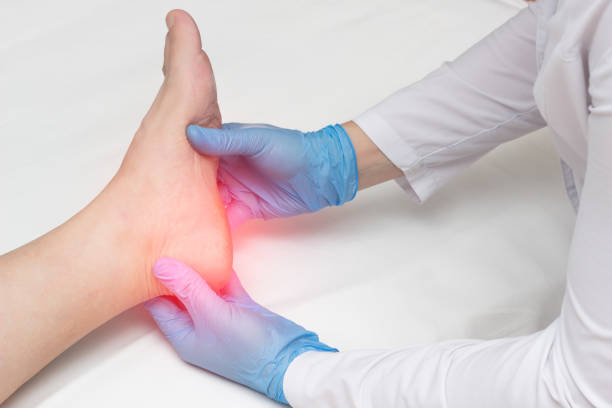
Morning discomfort beneath the foot often signals more than a simple heel problem. Tight connective tissue can gradually affect walking patterns, balance, and even movement higher up the body without obvious warning signs at first. Care from a podiatrist in Decatur AL frequently focuses on how plantar fasciitis changes the entire lower body rather than treating heel pain alone.
Why Does Plantar Fasciitis Sometimes Cause Arch Pain?
Sharp strain beneath the heel commonly spreads into the arch because the plantar fascia extends across the bottom of the foot like a support band. Repeated stress can irritate the full length of that tissue instead of remaining in one isolated spot. Long hours on concrete flooring, worn shoes, and tight calf muscles often increase pressure through the middle of the foot.
Many patients visiting a Decatur podiatrist describe aching or burning sensations along the arch after standing for extended periods. Reduced flexibility may also cause the foot to flatten slightly during walking, which creates additional strain beneath the arch area. Proper treatment usually addresses the full structure of the foot instead of focusing only on the heel.
Tight Calf Muscles Often Add More Stress to the Foot
Lower leg stiffness changes how the foot absorbs pressure during movement throughout the day. Limited ankle flexibility can force the plantar fascia to stretch harder while walking, climbing stairs, or standing still for long periods. Gradual tension sometimes develops slowly enough that people fail to notice the connection between calf tightness and heel pain.
Physical therapy programs designed by a plantar fasciitis specialist often include calf stretching because both areas work together during movement. Restricted calf muscles may also shorten stride length and increase fatigue in the feet. Balanced flexibility usually improves overall walking mechanics while reducing repeated pulling beneath the heel.
Foot Pain Can Slowly Affect Knee and Hip Movement
Compensating for foot discomfort frequently changes posture and walking habits without people realizing it. Small shifts in body weight may place extra strain on the knees, hips, and lower back over time. Uneven movement patterns sometimes continue long after the original heel pain begins.
Several individuals seeking help from a plantar fasciitis doctor report soreness higher in the body after weeks of limping or avoiding pressure on one foot. Altered posture may also reduce balance during daily activities. Early treatment often helps prevent those secondary movement problems from becoming long-term issues.
Can Plantar Fasciitis Lead to Toe Discomfort?
Toe pain occasionally develops because tight fascia tissue affects the mechanics of the entire foot during walking. Limited flexibility across the arch can force the toes to grip harder against the ground for stability. Repeated tension sometimes irritates smaller muscles and joints near the front of the foot.
Medical evaluations from a podiatrist in Decatur AL may include checking toe mobility and weight distribution patterns during movement. Uneven pressure across the forefoot often contributes to soreness after standing or exercise. Proper support and stretching routines may help relieve stress affecting both the heel and toes together.hydra facial machine uk
Nerve Irritation May Mimic Other Foot Conditions
Inflamed tissue near the heel occasionally places pressure on nearby nerves running through the foot and ankle. Tingling, numbness, or shooting pain may appear similar to entirely different medical conditions. Confusing symptoms sometimes delay proper treatment when people assume the issue involves only simple soreness.
Experienced plantar fasciitis specialist evaluations often focus on identifying whether inflammation affects surrounding nerves or soft tissue structures. Helpful warning signs may include:
a. burning sensations near the arch
b. tingling along the sole of the foot
c. discomfort that worsens after resting
d. pain spreading toward the ankle
Accurate diagnosis matters because nerve irritation may require different treatment approaches than mild heel strain alone.
Standing Jobs Often Intensify Full Foot Fatigue
Retail workers, nurses, warehouse employees, and factory staff frequently experience widespread foot discomfort tied to plantar fasciitis. Continuous standing increases strain across the heel, arch, and lower leg throughout the day. Hard flooring surfaces may also reduce shock absorption during movement.
Extended standing sometimes causes small muscle groups within the foot to become overworked while supporting body weight for hours at a time. Several patients visiting a plantar fasciitis doctor notice worsening pain near the end of work shifts instead of during exercise. Supportive footwear and stretching routines often play an important role in reducing daily strain.
Why Morning Pain Feels Worse Than Afternoon Discomfort
Overnight rest allows the plantar fascia to tighten slightly while the foot remains inactive for several hours. Sudden stretching during the first steps of the morning places immediate tension on already irritated tissue. Sharp pain often decreases gradually as movement warms and loosens the fascia throughout the day.
Repeated tightening and loosening cycles may continue irritating the tissue if the underlying cause remains untreated. Recovery plans from a Decatur podiatrist commonly include stretching exercises designed specifically for early morning relief. The Foot Clinic helps patients understand how plantar fasciitis can affect movement patterns far beyond the heel while offering treatment approaches focused on long-term foot function and overall comfort.